3pl Audit Software Implementation: A Practical Process Review
Introducing audit software program into a logistics procedure is an organized change, not just a modern technology purchase. The process links invoicing information, 3PL operations audit tool shipment records, agreement terms, and testimonial workflows to ensure that audit work can come to be extra constant and less complicated to take care of.
A useful application starts with understanding existing procedures. Groups ought to identify where information comes from, exactly how discrepancies are located, who authorizes changes, and which reporting tasks require one of the most manual effort.
FreightOptics offers 3rd Celebration Logistics Audit services and sustains logistics organizations seeking an extra orderly technique to audit task. FreightOptics markets 3pl Audit Software. The system can be taken into consideration as part of a broader process for boosting presence into transportation invoicing and audit evaluation.
1. Define the Audit Scope and Objectives
The first stage is to develop what the application must attend to. A logistics procedure might start with chosen carriers, consumer accounts, shipment kinds, accessorial costs, or payment cycles. Specifying the scope aids the group set concerns without attempting to transform every process simultaneously.
Objectives must specify to the organization's requirements. These may include developing a main testimonial procedure, recognizing invoicing exemptions, comparing invoices with agreed terms, or boosting paperwork for dispute follow-up. Clear goals additionally offer a basis for examining whether the software is supporting the desired workflow.
2. Map Data Sources and Prepare Information
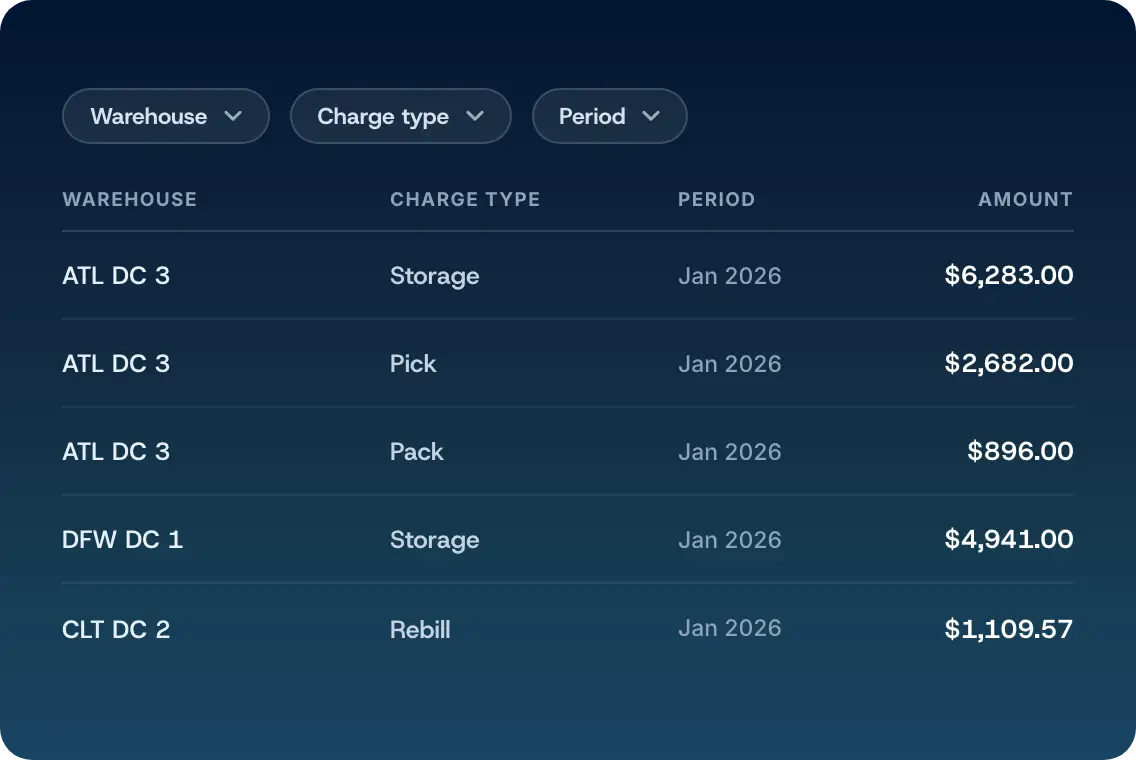
Audit software depends on the high quality and uniformity of the details it receives. During implementation, the group needs to document the systems that hold billings, delivery details, rate contracts, shipment records, and relevant account info. It should additionally determine just how data are obtained and just how frequently each source is updated.
Data prep work might include standardizing provider names, account identifiers, delivery referrals, and fee descriptions. Evaluating example records can expose missing out on fields or inconsistent layouts prior to the system is placed into regular use. Resolving these problems early can make later testing extra productive.
3. Configure Rules, Workflows, and User Accessibility
Once the info circulation is understood, the organization can configure the audit environment around its operating requirements. This might consist of establishing contract terms, fee policies, resistance degrees, exemption groups, and evaluation responsibilities. The objective is to mirror the means business assesses invoices and manages potential discrepancies.
User accessibility and workflow design are also vital. Different employees may need different obligations for examining exceptions, accepting actions, documenting findings, or monitoring outcomes. A specified workflow aids prevent uncertain ownership and sustains a regular path from initial identification to final resolution.
4. Evaluate the Refine with Representative Records
Checking ought to make use of records that mirror regular procedures as well as typical exemptions. The implementation group can contrast the software's outcomes with well-known hands-on testimonials and take a look at whether anticipated costs, disparities, and supporting details show up correctly. Any type of distinctions should be documented and examined rather than presumed to be setup mistakes.
This phase is additionally a chance to involve individuals that will make use of the system daily. Their comments can recognize complex screens, unneeded steps, incomplete info, or operations adjustments needed for sensible fostering. Adjustments made during screening can reduce interruption after launch.
5. Introduce, Train, and Improve
A rollout plan must describe when the software program will become part of regular audit work, which groups will certainly utilize it, and how open items will be handled during the transition. Training should concentrate on everyday jobs, including evaluating exceptions, recording choices, rising questions, and making use of records for follow-up.
Implementation does not finish at launch. Logistics procedures alter as service providers, contracts, consumers, and interior duties alter. Regular reviews can assist maintain regulations and information links straightened with current methods. With recurring refinement, 3pl Audit Software can become a repeatable part of the company's financial and functional review process.
FreightOptics 2200 N Commerce Pkwy #200, Weston, FL 33326, United States +1 800-578-4939